
Hiring a Cameraman in Brazil for Better Production Quality
 Daryyl Robinson
•
April 22, 2026
Daryyl Robinson
•
April 22, 2026In Brazil, employing a cameraman is one of the easiest ways to control production quality without complicated setup. Nearly every significant video production requires good camera judgment, but not all require a huge staff. That includes interviews, branded content, event footage, corporate shots, promotional material, documentary-style work, and time- and movement-sensitive location filming. A camera operator does more than record. Framing, timing, visual clarity, subject comfort, and footage usability after editing depend on the job. That practical judgment is crucial in Brazil, as productions shift between offices, venues, streets, hospitality spaces, studios, and outdoor locales. Instead of believing every assignment needs the same crew size or filming approach, adjusting the camera role to the project generally yields the best results.
Table of Contents
Why Brazilian cameramen should be rated on decision-making and image quality
Many clients initially notice visuals, but a cameraman worth generally emerges from shot decisions. A clean frame is important, but camera work is about prioritizing, moving, anticipating action, and using film in shifting settings.
Brazil has many filming environments, thus that counts. A corporate controlled interview requires different instincts than a live event, hospitality feature, or fast-moving branded shot across many sites. The best camera operators know how environment affects work. They recognize when stability trumps motion, coverage should expand, when a subject should be framed calmly rather than dramatically.
Using simply images to evaluate a camera professional might be deceiving. Good camera work is typically determined by judgment under actual settings, not just by still frame appeal.
What cameraman with camera really means for clients planning a shoot
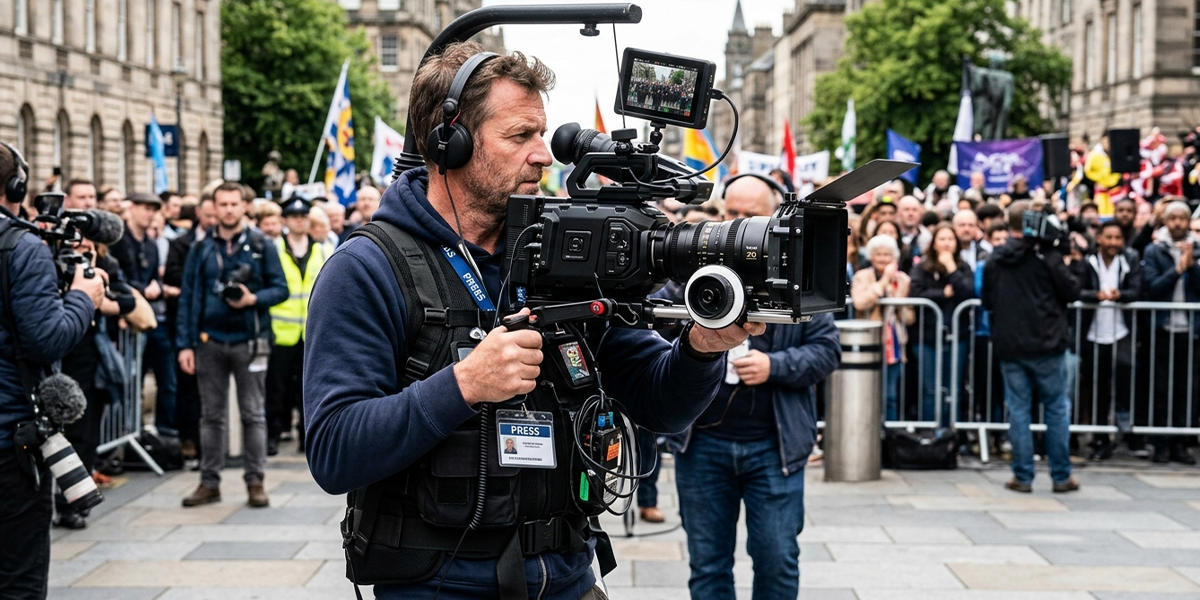
The phrase "cameraman with camera" seems easy, but it typically indicates a real customer need: employing someone who can operate and deliver the main shooting apparatus. For lean commercial work, interviews, events, and fast-turnaround shots in Brazil, such setup may be efficient and cost-effective.
It also alters planning discussions. When hiring a cameraman, the customer should consider more than the operator. Discuss lens requirements, audio support, stabilization, lighting demands, media handling, and if the setup is adequate for film usage. A simple setup may work for certain tasks, while others demand sound, lighting, or second-angle coverage.
Though kit matters, appropriateness matters more
A cameraman with camera isn't always the correct option. The most significant consideration is whether the gear bundle meets the brief. A more regulated commercial shot may require a larger kit and more crew assistance, while a lightweight setup is perfect for mobility and speed. Matching the kit to manufacturing is typically more helpful than abstract specs.
When a camera crew is better than a single operator
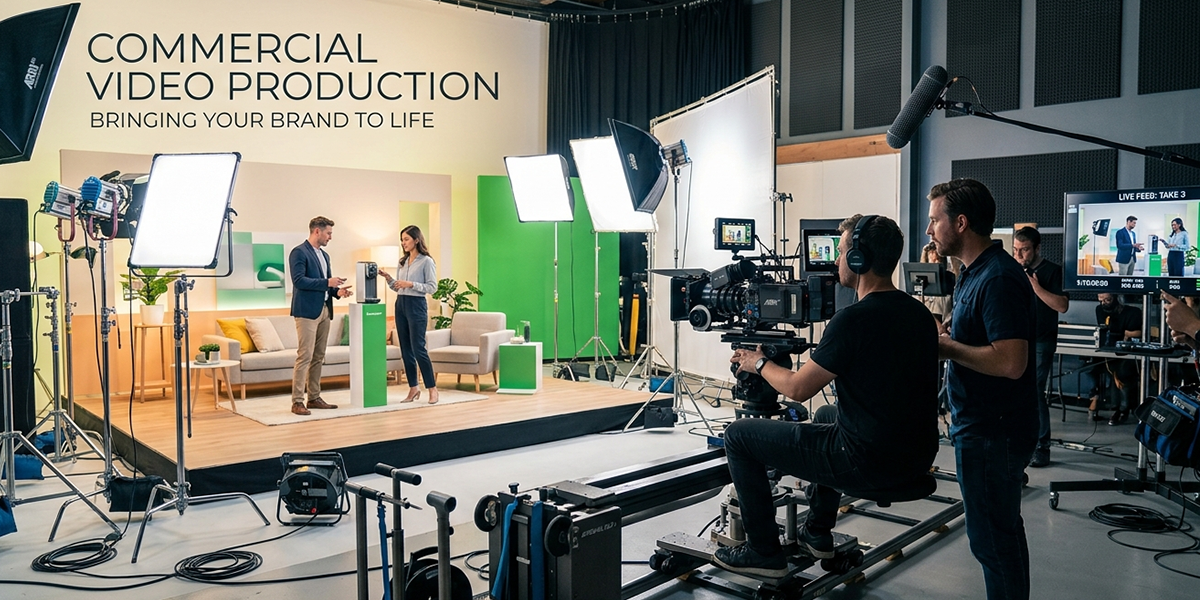
One operator can no longer manage everything in some productions. There, a camera crew is useful. Interviews, events, multi-angle setups, branded campaigns, documentary work, and sound and lighting assignments might benefit from a team's greater task division, coverage, and management.
In Brazil, this is especially important when the schedule is full or the place is active. One operator may work well, but there are limits. Multiple hands help with multi-speaker panels, live events, complicated corporate shootings, hospitality filming, and campaign work.
Crew size should increase purpose, not clutter
A larger camera crew is not necessarily better. Clearer task separation helps. Someone may focus on the main aspect, another on coverage, and another on lighting, sound, movement, or logistics. A well-structured team makes the shoot easier. Without a goal, enormous production can stall and lose focus.
Camera crew services help clients match crew size to production needs
The choice between one operator and a full production crew is not necessary for many clients. They require enough help. Camera crew services help there. Instead of overselling crew numbers, construct the setup around the brief.
Camera crew services in Brazil can range from an operator-led package to one with extra cameras, assistants, sound recordists, lighting support, or production coordination. The best option depends on the topic, where it will be recorded, how much material is needed, and how much flexibility the shoot setting affords.
You may browse our platform's registered crew members to compare professionals for different production scales.
Real workflow is the basis for good service design
Most effective camera crew services seem proportional. They don't overbid but don't underfund a production that requires extra help. Well-planned crew setups save time by handling video, sound, and scheduling properly from the outset.
What clients should consider while camera crew for hire
Camera crew for hire implies a transactional decision, however workflow rather than availability generally determines the optimum hire. Clients should know what type of shot is planned, what movement or coverage is needed, and where the major pressure points are.
This can include asking if the project contains live action, interviews, several locations, time-sensitive business schedules, active commercial areas, or outdoor circumstances that restrict control in Brazil. Whether one operator is enough or whether more help is needed depends on these criteria.
When the production challenge is evident, hiring is easy.
More specified briefs make it easier to evaluate camera crew for hire. Instead of asking for availability, ask what the shoot needs to succeed. This change in perspective frequently improves crew selection, scheduling, and post-production footage.
What makes a cameraman more valuable from setup to handover?
Excellent cameramen frequently offer more than technical operation. Strong operators manage coverage discipline, recognize important moments, safeguard the edit, and keep production calm in uncertain environments to create the shoot day.
That's crucial in Brazil when the shoot must change settings fast or on a tight timeline. When conditions change, a good cameraman maintains quality. That may mean framing for a tighter area, streamlining coverage for speed, or recognizing when a subject needs more direction to seem natural on camera.
The role's usefulness is frequently practical, not dramatic. A good operator simplifies production and footage utilization. Thus, the greatest camera work frequently appears practically unnoticeable. It supports the project so well that the customer notices the result over the process.
Conclusion
In Brazil, hiring a cameraman is more about finding one whose judgment, setup, and working style match the shoot's needs than about finding the best reel. Some tasks are well-suited to a lean operator with kit, while others require a larger team and greater coverage, sound, and logistics assistance. Understanding that distinction early and designing the camera setup around purpose rather than habit yields the best outcomes. When the role matches the brief, production runs more smoothly and film is more usable.
FAQs
What do production cameramen do?
Cameramen frame, operate, cover, and make practical on-set decisions to form editable film.
When is a cameraman with camera a good choice?
A cameraman with camera is ideal for lean productions when the operator can carry the right gear and the project doesn't require significant setup.
When should a project use a camera crew instead of one operator?
When shooting several views, live action, busier schedules, or more sound, lighting, and movement coordination, a camera crew is more useful.
What do camera crew services usually include?
Production support for camera crew services can range from an operator-led team to a larger team with extra cameras or technical help.
How should clients evaluate camera crew for hire?
They should employ camera crew for hire depending on production needs like coverage, location, time pressure, and process complexity.
Daryyl Robinson
Previous Article: Commercial Video Production in Brazil for Brands and Campaigns