
Product Photography in the Netherlands: Expert Tips for Capturing Stunning Commercial Images
 Cinday Orley
•
April 24, 2026
Cinday Orley
•
April 24, 2026In the highly competitive e-commerce and visual marketing business environment, the quality of your product images may spell the difference between a customer clicking the purchase button and walking past. The Netherlands boasts of an established business ecosystem and exceptional creative talent that make it a commercial photography destination serving brands globally and European. Professional product photography turns the most mundane of objects into an attractive visual narrative, whether you are introducing a new line of products, updating your e-commerce catalogue or making marketing material to advertise a campaign. This guide is an overview of the commercial photography in the Netherlands, including the specialized fields such as still life, food and panorama photography, and providing valuable tips on how one can do a fantastic job.
Table of Contents
The Art and Business of Product Photography
The field of product photography lies in a special niche between technical accuracy and creative narration. Product photography, unlike other types of photography, requires showing objects in the most favorable light: both literal and figurative: as well as correctly depict their features, textures, and size. In the case of e-commerce websites such as Amazon, Bol.com, and brand sites that are independent, good product photos directly affect the level of conversion and customer confidence.
In the Netherlands, there is an increased need for professional product photography as the online retail and direct-to-consumer brands have grown. Dutch photographers have also cultivated a reputation of being detail oriented, masters of lighting effects and have been creating images that appeal to the sophisticated European audiences. It may be shooting jewelry where micro precision is needed, furniture where scale is important, electronics where smooth performance is valued, or any other project that needs both technical skill and business savvy, experts in this area will ensure that their project is informed by both technical know-how and business acumen.
Still Life Photography: Composing Stories with Objects
One of the oldest types of photographic art is still life, and its principles are still crucial to the current commercial practice. It is a genre that encompasses the process of placing inanimate objects (often products) into well thought out scenes that can be used to represent mood, context, and aestheticism. An experienced still life photographer knows how to work with lighting, shadow and composition to produce images that are both realistic and idealized.
Dutch still life photography is based on rich artistic background. The Golden Age painters of the country mastered the art of composition of objects in narrating the stories of abundance, transience, and beauty. Modern photographers who have been practicing in this genre tend to draw upon this tradition whilst addressing modern sensibilities and business needs. In brands that aim to be differentiated, still life images provide the chance to build unique visual identities that can be distinguished in the saturated markets.
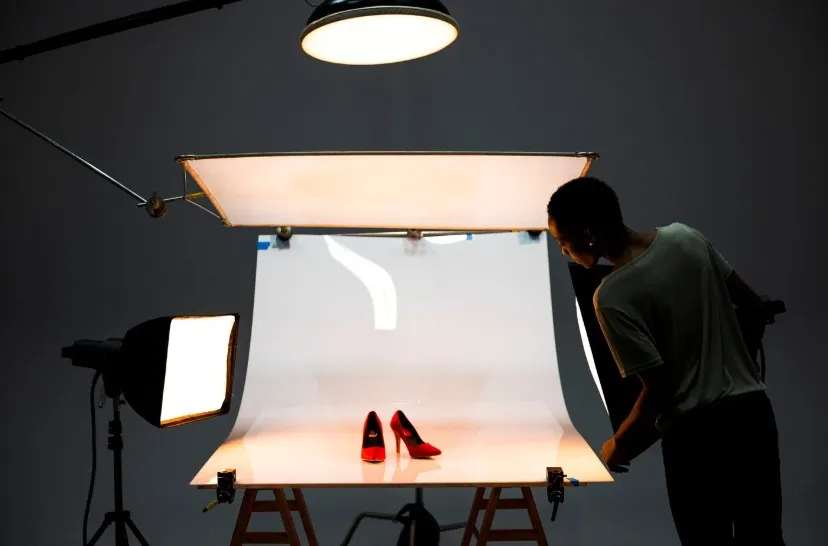
In hiring still life photography, it is important to take into consideration the setting where the photographs will be published. The use of a plain white backdrop is suitable when it comes to e-commerce catalog photography where consistency is paramount, and scenes are styled with props and textures to produce the emotional appeal needed in marketing campaigns and social media. Seasoned photographers are able to assist you in such decisions so that the end results of the work can be consistent with your brand strategy.
Food Photography: Capturing Culinary Appeal
Food photography is one of the genres that demand such accuracy and craftsmanship. Food photographers are experts in making food look delicious, they know how lighting, styling, and composition influence the desire and appetite of the viewer. The demand of the best food imagery has also increased in the Netherlands, where the culinary has been very active in the last few years, with the rise in popularity of restaurants, food brands, cookbooks, and social media content.
Food photography photographers have to work with food stylists, prop stylists and in most cases chefs to make sure that each part of the picture adds to the end product. Freshness would be maintained by good timing and methods like adding ice water to keep vegetables crisp or adding glycerin to condense water on glasses perfectly. The art of lighting used by the photographer is also vital since the improper lighting may cause the food to look flat, greasy and unattractive.
In the case of Dutch food brands, restaurants, and food publications, professional food photography will pay off in terms of customer interaction, menu item sales, and brand awareness. Photographs of the texture of a freshly baked loaf of bread, the bright colors of vegetables of the season or the steam of a warm dish stimulate the senses that cannot be described in words alone.
Panorama and Panoramic Photography: Expanding the Frame
Panorama photography and panoramic photography provide opportunities to portray the scenes that are beyond the frame dimensions. The methods are especially useful in real estate, hospitality, architectural, and landscape projects where the context and scale need to be communicated. The panoramic imagery in the Netherlands enables the viewer to perceive spaces in their entire breadth with its vast polders, ancient city centres, and modern architecture.
What makes the difference between panorama photography panoramic photography is often the format and purpose. Panorama photography generally denotes pictures that are made of a combination of several images to produce a broad horizontal perspective, whereas panorama photography refers to horizontal as well as vertical views of vast size, and this often involves the use of special cameras or lenses. Both methods are technical and towards the seamless stitching, uniform exposure, and precise perspective.
Panoramic imagery has several applications to businesses in the Netherlands. It is used by real estate agents to display houses as a whole, hotels to provide a feeling of space to their prospective customers, and tourism agencies to showcase the various scenic landscapes in the country. In commissioning panorama, seek photographers who have mastered both capture and post-process because these are the two defining factors of the ultimate quality of the image.
Selecting the Right Photographer for Your Commercial Project
The selection of the appropriate professional to work on your project is the process of matching the specialization with your requirements. An artist who is a good product photographer of small consumer goods may not be as skilled as a food photography photographer or panorama. It is important to review portfolios thoroughly- find pictures that can reveal the technical demands of your project, be it macro detail, complicated light setups or large stitching of scenes.
In addition to technical expertise, look at the experience of the photographer in commercial work processes. E-commerce professionals that know what is needed to satisfy the needs of e-commerce like displaying images in a given format, handling large numbers of products with ease and following the brand guidelines will make your project run smoothly and fewer revisions will be necessary. The approach to communication is also important; the photographer who poses intelligent questions about your intentions and provides innovative contributions is most likely to provide a result that goes beyond what is expected.
In the case of a business that needs continued services, by creating a connection with a photographer that comprehends your brand, you are likely to have coherent imagery that is used throughout all mediums. Professional photography is affordable to businesses of any size as a lot of Dutch photographers are offering package rates to reputable work.
In case you require talented workers to handle your commercial photography requirements, our site offers the possibility to find skilled labor. Possibly the most effective way to view it is to check out current projects on our platform to find the work that fits your creative vision or to find a company to collaborate with on your next shoot.
Conclusion
In the Netherlands, there is an outstanding commercial photography setting, and the professionals working there are impressive and combine not only professional skills in their work but also creative imagination. You may require a professional approach to do product photography in an online store, a creative still life photography to present a brand, appetizing shots with the help of a good food expert, or close-ups panoramas to demonstrate spaces. The Dutch market opens many opportunities. Through knowing what you want to achieve, taking your time looking at portfolios and picking a specialist whose style fits your vision, you can make imagery that can bring your brand to the next level and make a connection with your audience.
FAQ
What is product photography and still life photography?
Product photography centers on an emphasis to display items in open space on plain backgrounds to facilitate e-commerce, whereas still life photography depicts products in a classy setting that establishs atmosphere and context to promote and brand the product.
What should I do to prepare a food photography shoot?
Talk to your photographer beforehand about the dishes, keep everything fresh and ask yourself whether you require a food stylist. The timing is very crucial because food appears better when it is photographed soon after making.
What techniques are used to create panoramic images?
The panoramic images are formed by taking several overlapping shots and joining them in the post-processing, or by incorporating specific panorama cameras or lenses that take a broader view during one shot.
Which aspects determine the price of product photography in the Netherlands?
The cost considerations are the level of experience of the photographer, the quantity of products, the complexity of the lighting, the necessity to style the product, the amount of time, which will be necessary to process the final images, and the rights to use the final images.