
Black And White Photography
 Cinday Orley
•
April 18, 2026
Cinday Orley
•
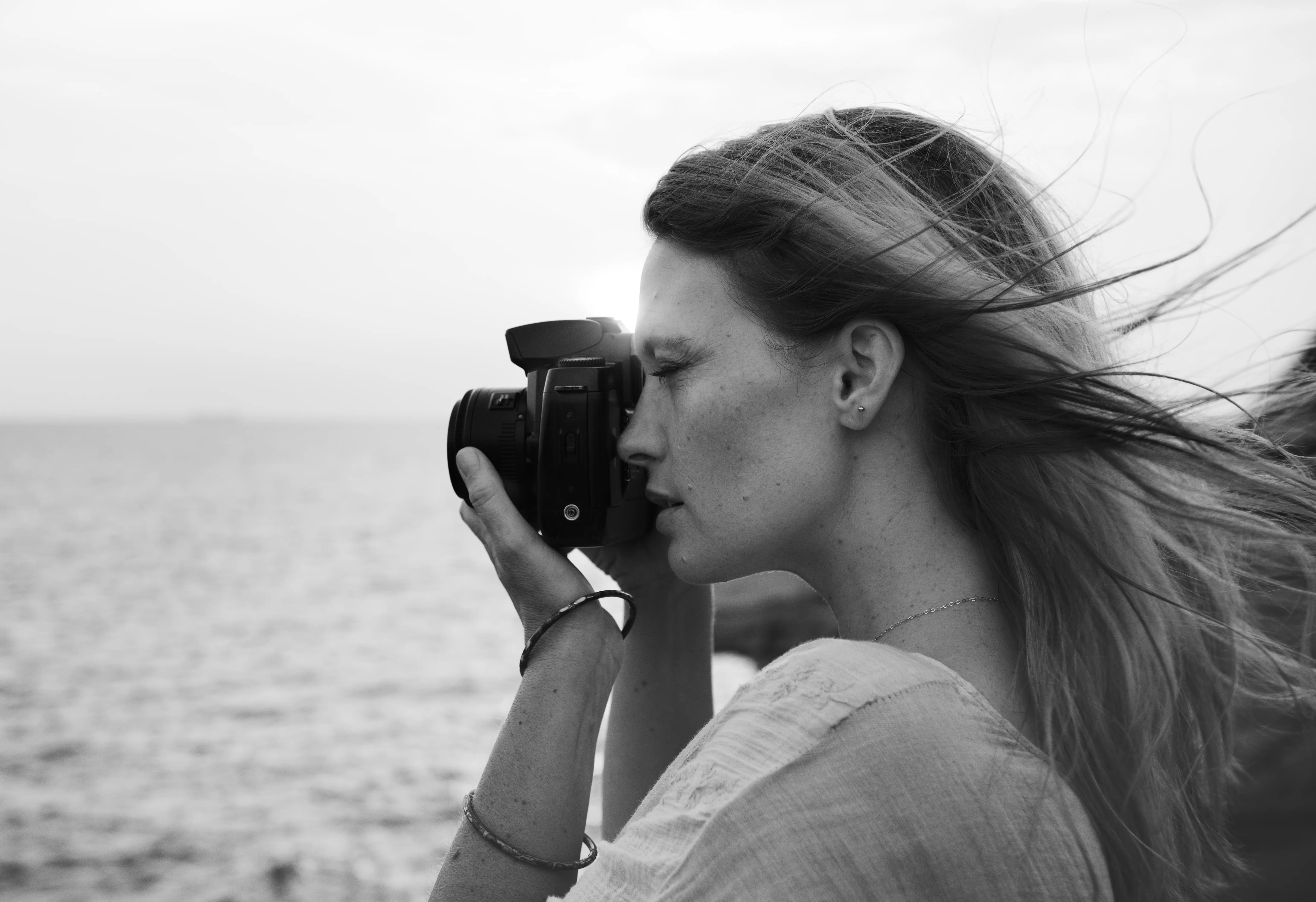
April 18, 2026To become a black and white photography pictures, one must change his vision of light, texture, and composition. In the absence of color, each detail in the frame is even more reliant on the contrast, the shape, and the tonal value. Whether it is portraits, landscapes or urban scenes in Australia whether it is exposure control or contrast control, knowledge about the process enables you to come create images that bring purposefulness and visually strong images.
Table of Contents
Understanding Light And Contrast
The key element in black and white photography is the skill of effective interpretation of light and shadow. The main tool of telling the story is contrast since the viewer has no color to direct his attention.
Contrasting photography is one important aspect in this. Firm contrast adds an effect of highlighted shapes and dramatic effect whereas a more gentle contrast effect is less dramatic and more impressionable.
Examining black and white photography images will make you see that tonal differences will direct composition, and focus the viewer.
Long Exposure And Motion Control
The photography techniques like long exposure enables you to show movement in such a way that will add more visual narration. This effect is normally applied in order to smear water, clouds, or the traffic in the city to form an illusion of motion in a stationary image.
Long exposure photography needs a stationary camera, deliberate choice of the shutter speed, and focus on ambient light conditions in order to use it successfully.
Another approach related to this technique is extended exposure photography, which entails extended even more lengthy shutter loafing to produce more smooth motion impacts and abstract compositions.
Balance And Composition Without Color
The composition in the black and white photography is also more significant since color is no longer present to distinguish objects in the photograph.
The balance photography principles would guarantee that weight would be distributed equally throughout the image. It can be brought about by symmetry, leading lines or prudent placement of subject.
The knowledge of light and its interaction with various surfaces is useful in order to keep the picture clear and organised, particularly in complicated objects.
Dark Room Techniques And Image Processing
Historic processes in dark room in photography still have a bearing to the contemporary digital processes. Even though a majority of photographers currently apply digital methods of editing, the concepts of exposure control and tonal contrast did not change.
Shadows, highlights, and midtones help you to perfect the final image, which you will achieve. The effect of modification done in the post-production can really affect the mood of your photographs to a great extent.
The hybridization of the traditional information with the modern tools empowers your total attitude towards the black and white making.
Developing A Personal Style
Creating a unified visual style implicates experimentation on the issues of lights, subjects, and techniques. There are those who are more inclined towards high contrast imagery and those that are more inclined towards soft tonal transitions.
You can practice long exposure photography as well as work in a kind of controlled lighting setting to gain a broader creative palette. In the long run, such experimentation assists in identification of your strategies.
It is important to be consistent in your work especially when you are creating a work that you are going to use professionally.
Applying Techniques In Real Projects
Learning theory is well, however, experience in black and white photography methods in the real world is the one that contributes to confidence and consistency. It is good to work on any project, be it personal or commercial to perfect your workflow.
If you are looking to gain experience or collaborate on creative work, you can explore creative production opportunities and see how different roles contribute to photography and visual storytelling projects.
Conclusion
The black and white work encourages you to concentrate on the basics of the image-making: light, composition, and time. Being deprived of the sense of color, every detail of the image has even greater weight, so careful composing and control of exposure is critical. The more you practice with various lighting situations and methods, the more you get the sense of intuitive the interpretation of scenes. In the long-term, such a strategy builds your technical proficiency and at the same time, allows you to create a more established, identifiable visual aesthetic.

FAQ
What makes black and white photography effective?
It becomes effective when light and contrast are used intentionally to direct attention within the frame. Since color is removed, elements such as texture, shadow, and shape take on a more prominent role. A strong image typically has a clear tonal range, with well-defined highlights and shadows that help separate subjects and create depth.
What is long exposure photography used for?
This technique is commonly used to capture motion over time, such as flowing water, moving clouds, or traffic at night. By using slower shutter speeds, movement appears smooth or blurred, which can add a sense of atmosphere or drama to an otherwise static scene. It’s especially useful for landscapes and urban environments.
What is extended exposure photography?
It refers to using even longer shutter durations than typical long exposure techniques. This approach can create highly simplified or abstract visuals, where moving elements become soft streaks or completely disappear. It often requires additional tools like neutral density filters to control the amount of light entering the camera.
What is dark room in photography?
Traditionally, it refers to the process of developing film and prints in a controlled, light-safe environment. While most photographers now work digitally, many of the same principles—such as controlling exposure, adjusting contrast, and refining tonal balance—still apply in modern editing workflows.
What is balance photography?
Balance in photography is about arranging elements within the frame so that no single area feels overly dominant unless intentionally designed that way. This can be achieved through symmetry, contrast, or the placement of subjects. A well-balanced image feels stable and visually cohesive, even when it includes complex or dynamic scenes.
Cinday Orley
Previous Article: Maternity Shoot Photography
Next Article: Royal Botanic Gardens Photography Melbourne