
Editing Videography for Stronger Storytelling in Brazil 2026
 Daryyl Robinson
•
April 22, 2026
Daryyl Robinson
•
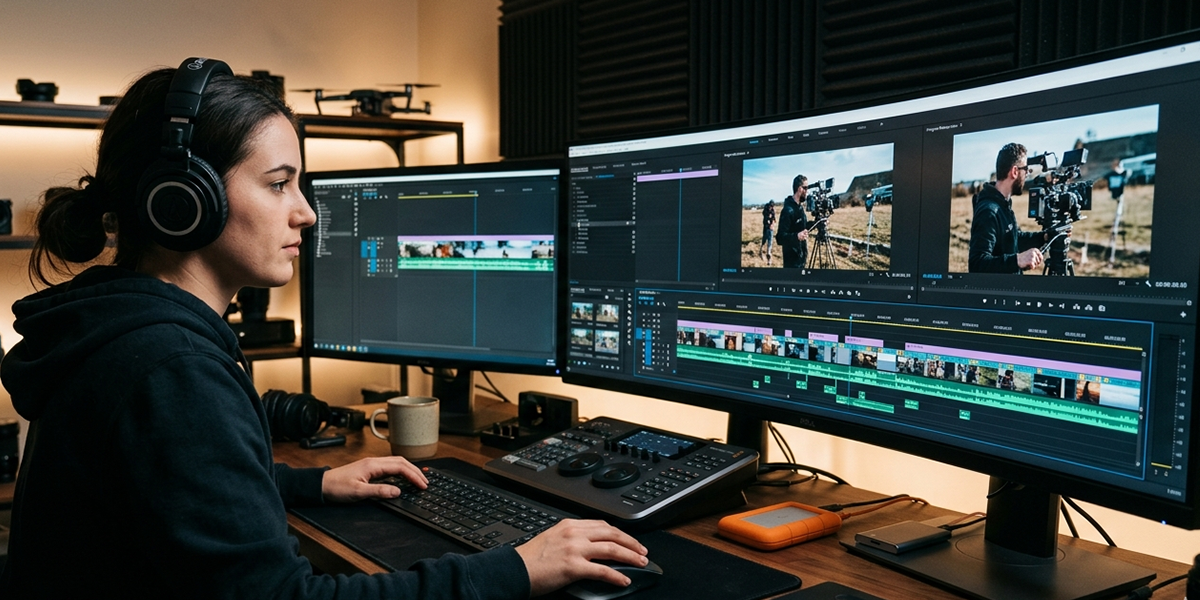
April 22, 2026Brazil is a visually rich market for branded video, social campaigns, commercial content, and sector-specific production, but the quality frequently depends on what occurs after the shoot. Editing videography needs more attention than it receives. Good filming might fail if the pacing, structure, sound, or cut don't fit the viewer. Lifestyle advertisements, cuisine content, hospitality, creator-led work, automobile productions, and business-facing films in Brazil must be polished without overproduced. Material becomes cohesive, tone is formed, and film becomes communication rather than raw coverage during editing. A good cut does more than shorten a video. It makes it clearer, more watchable, and more useful.
Table of Contents
Why Editing videography matters as much as filming when the final result needs to feel professional
Many clients think the shot is the highlight and the edit is the finish. Videography becomes relevant during editing. The editor determines how the audience perceives the tale, how long each visual notion lasts, where energy peaks or falls, and if the work is confident or uncertain.
This is crucial in Brazil, since many products must fulfill many purposes. A single shot may require a major brand cut, social versions, shorter performance edits, and online or campaign content. Even good raw footage might produce uneven outcomes without a robust editing structure.
Accurate editing videography also shields viewers from unneeded information. Not all shots are worth showing, and not all attractive images convey the point. In video editing, decision-making is frequently more important than effects or transitions.
How Lifestyle videography depends on rhythm, tone, and emotional selection
Lifestyle videography relies heavily on editing. This area's shoots focus on mood, movement, emotion, texture, and natural moments. Editors must shape feeling as well as sequencing.
Lifestyle work in Brazil includes fashion, travel, hospitality, wellness, beauty, family-oriented advertising, creator content, and premium consumer branding. If the edit doesn't regulate tempo and emotion, the footage's warmth, fluidity, and environmental character might become generic.
A lifestyle edit needs more than attractive footage
The best lifestyle videography doesn't combine attractive pictures. It typically hinges on choosing the proper visual details, balancing quick and slow moments, and understanding when to allow emotion, gesture, or surroundings take over. The edit should be lively but not random.
Why Hd videography is not only about sharp resolution but also about cleaner finishing
Many people identify HD videography with technical image quality, but viewers notice more than crispness. If the cut is clunky, the sound is uneven, or the visual rhythm is weary, HD film seems poor. A good HD output depends as much on editing as on camera work.
In Brazil, where information is seen on phones, computers, presentation screens, and bigger devices, edit quality important. Even with clean material, a sloppy tempo or distracting cut spots might detract from the film. Polish affects believability in brand pieces, corporate films, interviews, and promotional content.
Higher image quality usually exposes editing weaknesses more clearly
Cleaning images in HD videography can highlight structural faults. Too much time on a nice photo makes it seem extravagant. A choppy audio transition distracts. It's harder to forgive a confusing sequence. Excellent editing makes HD content feel polished rather than crisp.
Where Food videography benefits most from careful pacing and sensory detail
Few material kinds need timing like food videography. Food-focused edits frequently depend on revelation, texture, motion, and hunger. Even if a meal is elegantly arranged on set, a flat video might result from a repetitious sequence or camera arrangement.
This affects Brazilian restaurants, hotels, delivery businesses, beverage ads, chef-led content, and hospitality marketing, as visual hunger and environment affect viewer response. Detail and flow must be balanced in editing. Too much speed reduces effect. Taking too long might drain energy.
Food content usually works best when the edit guides appetite
Good food videography use selected progression. Preparation, plating, steaming, pouring, slicing, serving, and response shots have various values. The editor chooses what the spectator should experience first and how to establish visual hunger. That generally distinguishes ornamental film from convincing material.
How Automotive videography becomes stronger when the edit understands motion and control
Automotive videography is strong, but it only works when the edit understands movement. Speed alone does not improve automobile sequences. Rhythm, contrast, and aim are needed. Editors must know whether to highlight motion, when to hold information, and how to convey performance, design, or lifestyle positioning.
Automotive content in Brazil may include commercial debuts, dealership marketing, aftermarket items, mobility branding, motorsport surroundings, or social-first promotions. These require distinct balances between design intricacy and movement-driven dynamism.
The strongest vehicle edits know when not to overcut
Weak automotive videography typically cuts too much, reducing the vehicle's effect. Stronger edits boost contrast. They alternately let the machine breathe and accelerated its pace. That control gives the car power and a determined look.
What makes Editing videography more effective from rough cut to final delivery
Good editing seldom happens by chance. Before creating a timeline, good editing videography considers the audience, deliverables, and mood. The editor must decide if the essay should explain, convince, energize, document, or improve brand perception.
This involves being realistic about platform use in Brazil. A full-length brand cut, social edit, and performance-led teaser should follow different paces and focus different content. A controlled process enhances the primary film and all subsidiary versions from the same shot.
Our registration site lets you track platform-wide work to be informed about future production possibilities and industry activities.
Good editing is often defined by restraint rather than excess
The best editors don't always use the most noticeable effects. They generally know what to delete, hold, and accentuate. Good editing videography makes footage more watchable, focused, and commercially beneficial without looking forced.
Conclusion
In Brazil, successful editing videography focus on making film clear, entertaining, and functional rather than decorative. Whether the content is lifestyle, high-definition brand polish, food appeal, or automobile action, the edit's rhythm, selection, and viewer attention determine its worth. excellent filming provides possibilities, but excellent editing converts them into something people can follow, remember, and utilize.
FAQs
Why is post-shoot editing videography important?
Editing videography affects pace, structure, tone, and clarity, converting raw footage into a polished product with a purpose.
Why is lifestyle videography tougher to edit than it seems?
Since lifestyle videography relies on emotional rhythm, natural movement, and selected detail, the editor must shape emotions rather than merely combine sequences.
Does crisp Hd videography automatically appear professional?
No. Polished Hd videography still requires good editing, sound control, and sequencing.
Why must food videography be paced right?
The highest quality food videography use texture, reveal, timing, and controlled progression to stimulate hunger and visual appeal.
What is the worst automotive videography error?
Automotive videography often overcuts, which detracts from control, design, and movement.
Daryyl Robinson
Previous Article: Video Production Brazil for Stronger Planning and Better Results
Next Article: Drone Videography in Brazil for Better Aerial Storytelling